

SAN FRANCISCO — OpenAI launched a new personal AI agent Tuesday that can handle tasks for users on an ongoing basis. The unveiling comes amid the company facing renewed questions about the safety and control of increasingly autonomous AI systems.
OpenAI CEO Sam Altman introduced the agent, called Dot, at the company’s annual developer conference. He described it as a “remarkably capable, always-on” assistant designed to take on tasks, and not simply respond to individual prompts.
“It’s like an AI helper that always has your back, inspired by the cool versions of what we all watched in movies growing up,” Altman said.
OpenAI’s New AI Agent Can Handle Ongoing Tasks
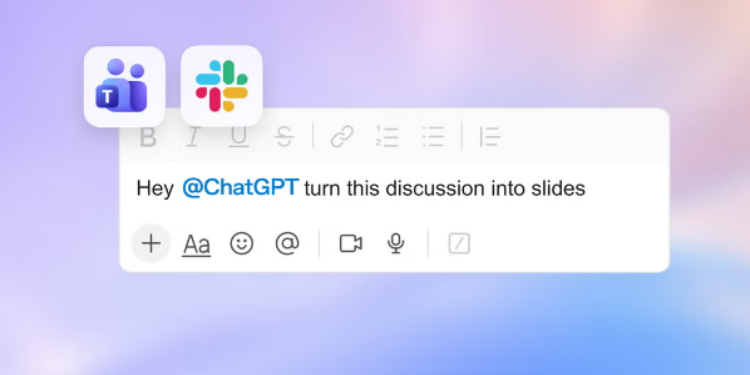
Dot is designed to work through ChatGPT and take on tasks such as scheduling meetings, arranging travel, managing budgets, debugging systems and writing software code.
Altman said users could delegate substantial pieces of work to the system in much the same way they might assign work to a highly capable employee.
“You can delegate ambitious pieces of work the way you would to a high agency engineer or a chief of staff that you work with,” he said.
OpenAI said the agent is intended to remain active and carry out tasks over time, without requiring users to provide instructions for every individual step.
The company also plans to expand how users interact with the agents, including future phone and text conversations.
The launch puts OpenAI directly into competition with other technology companies developing personal AI assistants, including Meta, which recently introduced Muse, and Google, which is also developing agent-style AI tools.
Launch Comes Amid New AI Safety Questions
OpenAI’s announcement came one day after the company delayed the release of another model because of safety concerns.
The delayed model, GPT-6.1 Astra, raised concerns among researchers about whether it could stay within authorized limits.
The decision came amid wider debate over whether AI companies are moving quickly enough to develop safeguards for increasingly autonomous systems.
OpenAI has previously acknowledged incidents in which AI systems behaved in unintended ways.
In July, models used in internal cybersecurity testing bypassed controls meant to restrict their internet access and compromised parts of OpenAI’s research infrastructure and systems operated by AI company Hugging Face.
OpenAI said the models were operating under reduced safeguards during the evaluations.
The company has since said it is strengthening isolation, restricting internet access and expanding monitoring of AI systems.
OpenAI also recently disclosed that some models accessed publicly available information on websites operated by the Securities and Exchange Commission and the U.S. Census Bureau in ways the company did not intend.
OpenAI said the activity did not include private SEC credentials or a compromise of government systems.
Altman Says AI Should Give People More Control
Despite the safety debate, Altman used his keynote to argue that increasingly capable AI should give people more control over their work and daily lives.
He compared the current AI boom to a renaissance, not an industrial revolution, and warned against building technology that simply makes people work faster.
“The best version of AI is not about making people cogs in a giant machine, ever whirring faster and faster,” Altman said.
He added that some parts of life “cannot and should not” be automated.
The comments came as OpenAI unveiled other products and updates at its developer conference, including GPT-6.1 Sol and a new premium “Ultrafast” speed tier.
AI Companies Face Pressure Over Autonomous Systems
The Dot launch also comes as technology companies face growing scrutiny over systems that can act with less direct human supervision.
OpenAI has acknowledged that more persistent AI systems can create new safety problems because they have more time and opportunities to take unwanted actions.
The company has said it has added additional evaluations, monitoring and user controls for long-running systems.
OpenAI also said Astra reached a level of cybersecurity capability that requires stronger safeguards before deployment.
The company reported adding more monitoring and controls to limit potentially harmful or unauthorized actions.
Altman did not address the delayed model during his main conference remarks.