WASHINGTON — President Donald Trump is refusing to rule out invoking the Insurrection Act as the November midterm elections approach, leaving open the possibility of using a law that gives the president authority to deploy the military domestically under certain circumstances.
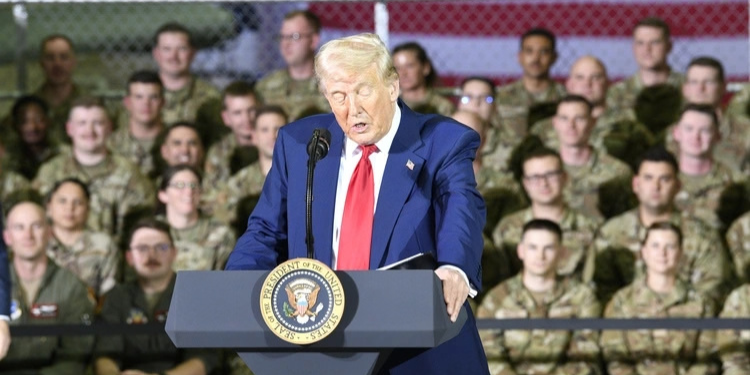
Trump made the comments in a Sept. 28 interview with TIME published Thursday. Asked whether he would rule out declaring a state of emergency before the midterms unless there was widespread violence in the streets, Trump said he did not want to rule anything out.
When the reporter clarified that the question referred to the Insurrection Act, Trump said he had never used it but could.
“I don’t rule anything out or in. We’ll see,” Trump said.
The comments come as Trump and Republican candidates campaign across the country ahead of the November elections. Trump told TIME he expects Republicans to perform well and plans to campaign for candidates.
Trump Says He Could Use the Insurrection Act
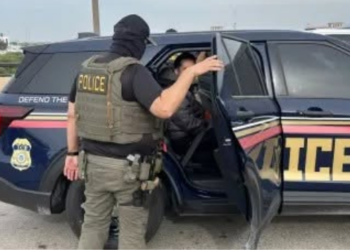
Trump has previously threatened to invoke the Insurrection Act during disputes over the use of federal forces in American cities.
In the TIME interview, he said he could use the law even though he has never invoked it as president.
“A lot of people think I should use it sometimes,” Trump said, before pointing to crime figures and arguing that the country has reached historically low levels of crime.
Trump did not identify a specific city, state or election-related situation that would compel him to invoke the law before the midterms.
What the Insurrection Act Allows
The Insurrection Act dates to 1807 and provides an exception to the general restrictions on using the military for domestic law enforcement.
Under the law, the president can use federal military forces or federalize National Guard troops in certain circumstances involving an insurrection, rebellion or situations in which federal law cannot be enforced through ordinary judicial proceedings.
The law gives the president significant discretion, although its provisions have legal limits and have been subject to court challenges.
TIME previously reported that legal experts have noted the statute contains terms that are open to interpretation.
The law has been used during several major periods of unrest in U.S. history. President George H.W. Bush invoked it during the 1992 Los Angeles riots after a request from California officials.
Trump considered invoking the law during nationwide protests in 2020 but ultimately did not.
Election Questions Add to the Stakes

Trump’s comments come amid questions about the use of federal power around the 2026 elections.
In the same TIME interview, Trump was asked whether he planned to send Immigration and Customs Enforcement agents to polling places. He said he had not thought about it.
He was then asked about declaring a state of emergency before the midterms and whether he would rule out such a move absent widespread violence.
Trump declined to make that commitment.
The president has also previously said he wants to ensure what he describes as honest elections, while his administration has pursued changes to federal election rules and voter requirements. Courts have blocked some of those efforts.
Trump Prepares for Midterm Campaign Push
Trump also rejected the idea that Democrats would take control of Congress and said he intended to campaign for Republican candidates.
“No, I think that we’re going to do well,” Trump said. He also argued that candidates he campaigns for will benefit from his support.
Republican candidates in some competitive races have embraced Trump’s support, while others have sought to distinguish themselves from parts of his agenda.
Courts Could Become a Major Check
Any use of the Insurrection Act around the elections would possibly face legal scrutiny.
Trump’s administration has already fought a series of court battles over domestic military deployments.
Federal judges have blocked or restricted some National Guard deployments, while litigation has continued over the administration’s authority to use federal forces in cities.
The Insurrection Act differs from laws governing ordinary military deployments because it provides specific authority for the domestic use of military forces.