

WASHINGTON — Federal health agencies said Friday that a multistate E. coli outbreak linked to Sierra Nevada Graziers raw milk cheese has sickened 13 people, sent eight to the hospital and prompted a full recall of the product line.
The U.S. Food and Drug Administration and Centers for Disease Control and Prevention reported 13 confirmed infections of Shiga toxin-producing E. coli O26:H11. Eight people required hospitalization. Three developed hemolytic uremic syndrome, a complication that can lead to kidney failure. No deaths have been reported.
Illnesses occurred in California, Colorado, Georgia, Kentucky, Michigan, Nevada, Oregon, Tennessee and Utah. Onset dates ranged from July 7 to August 26. The median age of patients is 5 years, with more than half under age 5.
Of nine people interviewed by state and local health officials, all nine reported eating Sierra Nevada Graziers grass-fed raw milk cheese in the week before they became ill.
Cases Confirmed Across Nine States
The FDA said its investigation remains open. Officials are working with the CDC and state partners to identify the source of contamination and determine whether other products are affected.
The outbreak strain is E. coli O26:H11. Symptoms typically include severe stomach cramps and diarrhea, which is often bloody. Fever, nausea and vomiting can also occur. Symptoms usually appear within a few days of exposure and can take up to nine days.
Hemolytic uremic syndrome developed in three patients. The condition can cause kidney failure and other serious complications. Health officials noted that young children face higher risk of severe outcomes from this type of infection.
CDC data indicate that reported cases represent only a portion of actual illnesses. Many people recover without seeking medical care or laboratory testing.
Recall Covers All Graziers Varieties
On September 24, the FDA notified Sierra Nevada Cheese Company of Willows, California, about the outbreak and recommended a recall. The company agreed the same day and initiated a voluntary recall of all Graziers raw milk cheeses then on the market.
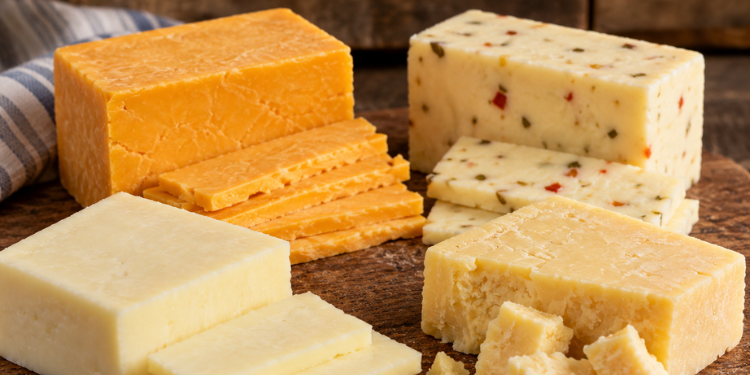
The recalled products are medium cheddar, sharp cheddar, jalapeño jack and Monterey jack. They were sold in 8-ounce and 16-ounce retail packages and in 5-pound loaves to food-service customers and wholesalers. Distribution was nationwide, including retail stores and online sales.
The company stated that reported illnesses were associated with its medium cheddar product. It expanded the recall to all varieties because investigators had not identified a specific lot or date code. The products have a long shelf life. Consumers were advised to check both refrigerators and freezers.

Retailers were instructed to stop selling the cheese and remove it from shelves. Any repackaged bulk product derived from the 5-pound loaves is also included in the advisory.
Company Response and Investigation Status
Sierra Nevada Cheese Company posted a statement saying it was recalling the products out of an abundance of caution. The company expressed gratitude for customer support and asked for understanding during the precautionary step.
The FDA said it will continue to update its advisory as more information becomes available. Laboratory testing and traceback work are ongoing. No other products have been implicated at this time.
Health officials reiterated longstanding guidance that raw, unpasteurized milk products can carry bacteria that pasteurization is designed to eliminate. The current investigation focuses solely on the Graziers line produced by Sierra Nevada Cheese Company.
Health Officials Advise Consumers
Consumers who purchased any of the recalled cheeses should not eat them. Officials recommended discarding the products or returning them to the place of purchase for a refund.
Surfaces, containers and utensils that came into contact with the cheese should be thoroughly cleaned and sanitized. People who develop symptoms of E. coli infection after consuming the product should contact a health care provider, particularly if they are young children, older adults or have weakened immune systems.
The FDA and CDC said they will issue further updates once additional details on the source of contamination or case counts become available.