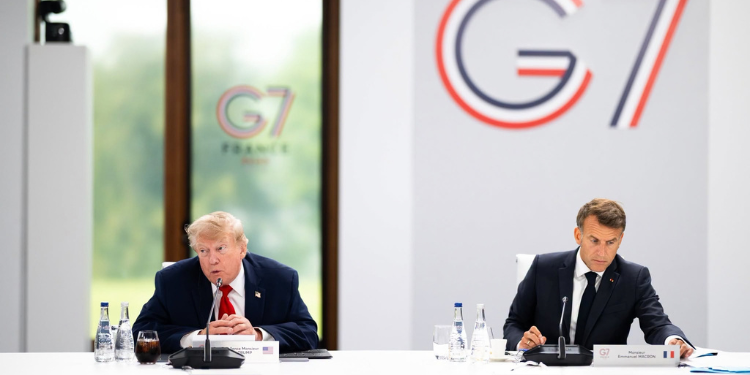
WASHINGTON — G7 leaders agreed Friday to coordinate the release of 100 million barrels of oil through the International Energy Agency in response to rising energy-market pressure and concerns about the impact of higher fuel prices on households and businesses.
The coordinated release will begin immediately and take place over four months, according to a statement issued by G7 leaders after a virtual meeting on global energy security.
The plan includes a substantial early release of diesel during the first 20 days, reflecting concerns about pressure in the market for refined petroleum products. G7 members and their partners will also discuss whether additional diesel releases are needed as market conditions develop.
G7 Targets Oil and Diesel Supplies
The leaders said they would coordinate refinery maintenance schedules to avoid taking several facilities offline at the same time.
They also agreed to temporarily increase refinery utilization rates where feasible and encouraged countries with significant refining capacity to increase production of refined petroleum products, particularly diesel.
According to the G7, these measures are meant to tackle pressure beyond the supply of crude oil. Shortages of refining capacity can constrain the availability of fuels such as diesel, even if crude is available.
The G7 also reaffirmed its commitment not to impose energy or energy-product export restrictions among its members. The leaders urged other producers to avoid export bans that could further pressure global markets.
The IEA will monitor implementation of the measures and assess their effect on energy security and market stability.
The G7 asked the agency to provide a follow-up report within 20 days. The report is expected to include recommendations for future responses and address the replenishment of strategic stocks following the emergency releases.
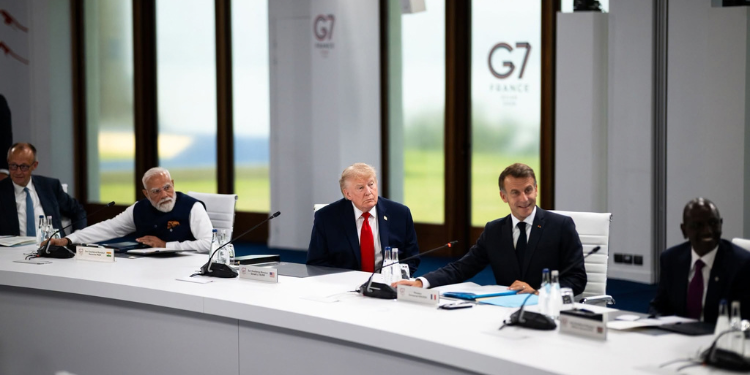
Strait of Hormuz Is Still a Major Concern
The G7 statement also tied the energy-security response to tensions surrounding the Strait of Hormuz, a critical route for international energy shipments.
The leaders condemned what they described as Iran’s continued attacks against regional neighbors and its disruption of international trade, energy security and the global economy.
They called for the immediate restoration of navigational rights and principles in the Strait of Hormuz and said they would increase their collective efforts to support freedom of navigation.
The leaders also commended the United States for its efforts to maintain the flow of commercial traffic through the waterway.
Russia Sanctions Remain in Place
The leaders said the G7 would maintain sanctions against Russia while working with the IEA and other global partners to prevent additional disruptions to fuel, natural gas and other commodity markets.
The G7 has maintained sanctions related to Russia while attempting to limit the effects of those measures and the war in Ukraine on global energy supplies.
The latest agreement combines the emergency oil release with measures to increase refinery output and protect the movement of energy products.
The G7 said concerns about energy prices are a priority and that leaders will continue monitoring market developments.
The group also left open the possibility of further action if current measures do not adequately address pressure in diesel and other energy markets.